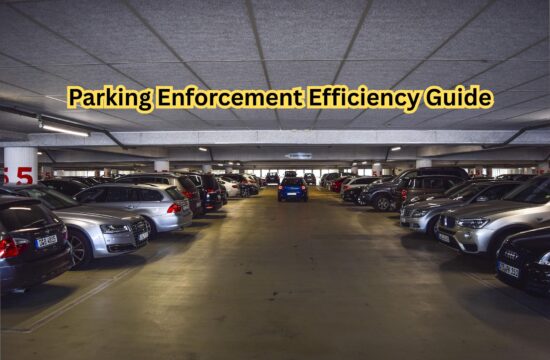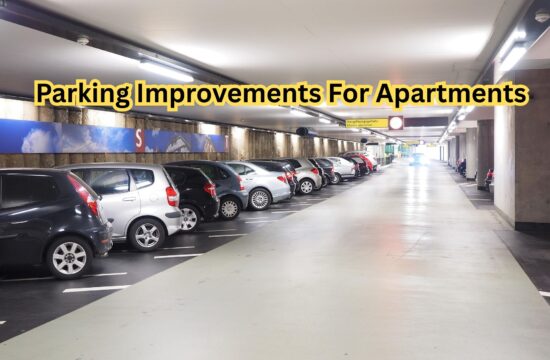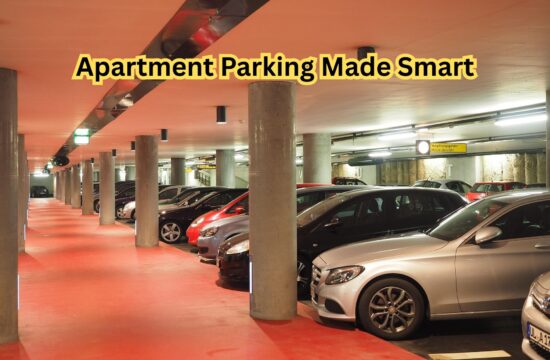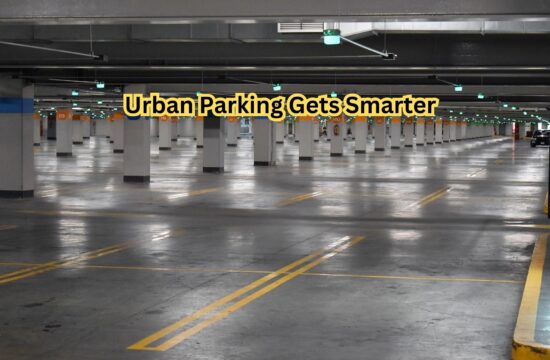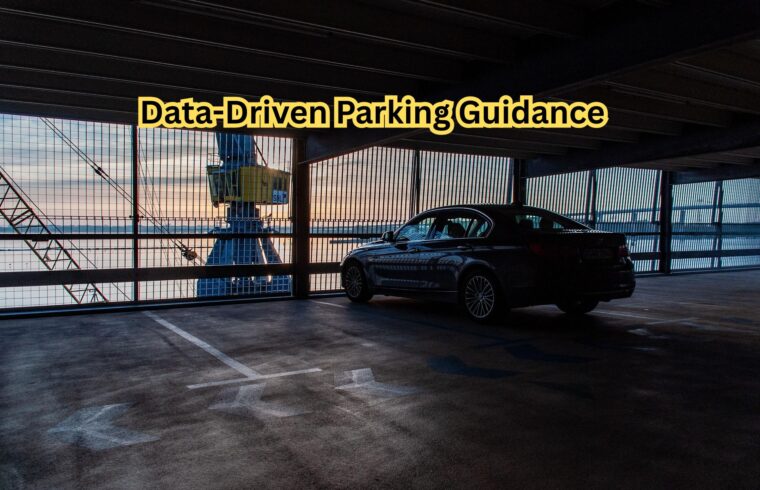
Data-Driven Parking Guidance helps vehicles locate available parking spots fast by utilizing real-time data, sensors, and analytics. This technology lowers search times, traffic jams, and fuel usage by gathering and evaluating parking occupancy data. By enabling smarter decisions through Data-Driven Parking Guidance, drivers receive accurate parking directions in real time. In crowded cities, business complexes, airports, and residential developments, Data-Driven Parking Guidance enhances the overall parking experience efficiently.
How Data-Driven Parking Guidance Works
Smart Parking Parking Guidance collects data from cameras, sensors, and entry-exit devices placed in parking lots. Software platforms that monitor space availability in real time process this data. In order to provide effective and precise parking assistance, the system then directs drivers via digital signboards, smartphone apps, or navigation systems.
Benefits o Parking Guidance
Reduced time spent looking for parking is the main advantage of data-driven parking guidance. It reduces pollution, fuel waste, and traffic congestion. While property owners benefit from higher space utilization, better revenue management, and useful information regarding parking trends and peak usage periods, drivers enjoy a more seamless experience.
Role of Analytics and Real-Time Data
Analytics play a key role in Parking Guidance by predicting demand and identifying usage trends. Real-time data ensures accuracy, helping drivers trust the guidance provided. Historical data supports smarter planning, allowing operators to optimize layouts, pricing, and staffing. This data-focused approach transforms parking from guesswork into a streamlined process.
Applications in Smart Cities and Commercial Spaces
Parking Guidance is widely used in smart cities, malls, hospitals, offices, and airports. It supports large-scale parking operations by managing high vehicle volumes efficiently. Integration with city traffic systems further enhances mobility, making parking a connected part of urban infrastructure and improving overall transportation flow.
Future of Parking
AI, machine learning, and greater system integration are key components of Data-Driven Parking Guidance’s future. Before drivers arrive, parking will be recommended via predictive analytics. Its value will increase when it is integrated with driverless vehicles and electric vehicle charging. Data-driven solutions will be crucial for intelligent and sustainable parking management as cities expand.